Traditional Canoes and Island Culture: A Journey Through Manus Island
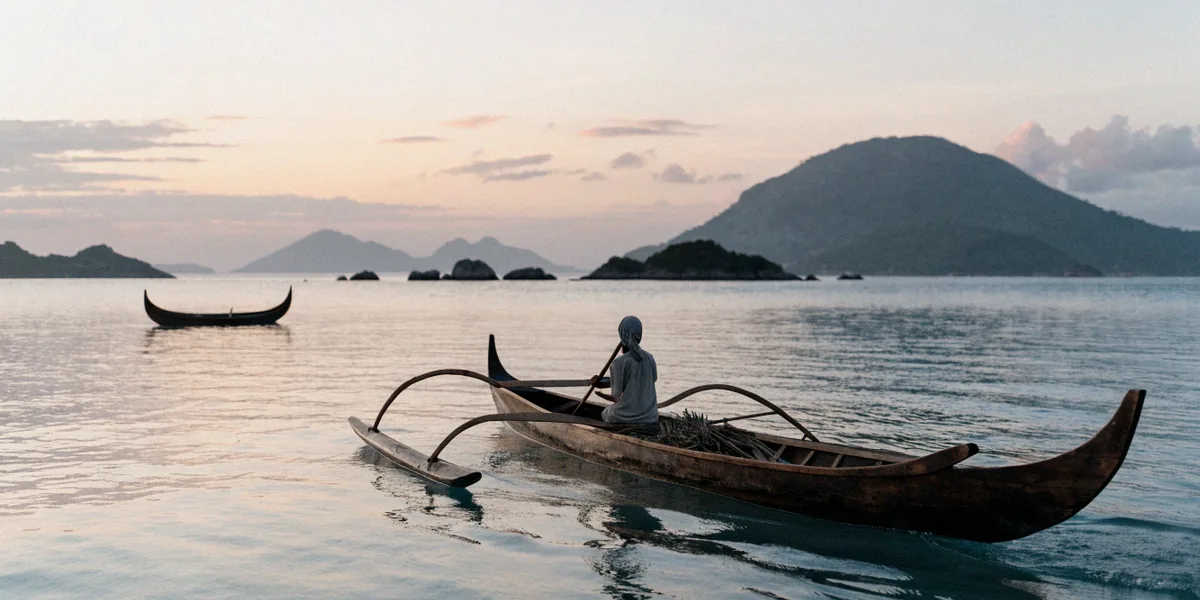
A carved outrigger canoe cuts across a turquoise lagoon, its sail catching the trade wind as paddlers chant in time with the swell. On the shoreline, children wave from a stilted village while fishermen haul in the morning catch. This is Manus Island — part of Papua New Guinea’s Admiralty Islands, sitting north of the mainland — and the canoe is not a museum piece here. It is how people move, trade, fish and celebrate. For Australian travellers willing to venture beyond the usual Pacific resort circuit, Manus offers one of the most authentic cultural and diving experiences in the region, with Lorengau as the capital and main gateway for visitors arriving from Cairns or Port Moresby.
The Living Legacy of Manus Island Canoes
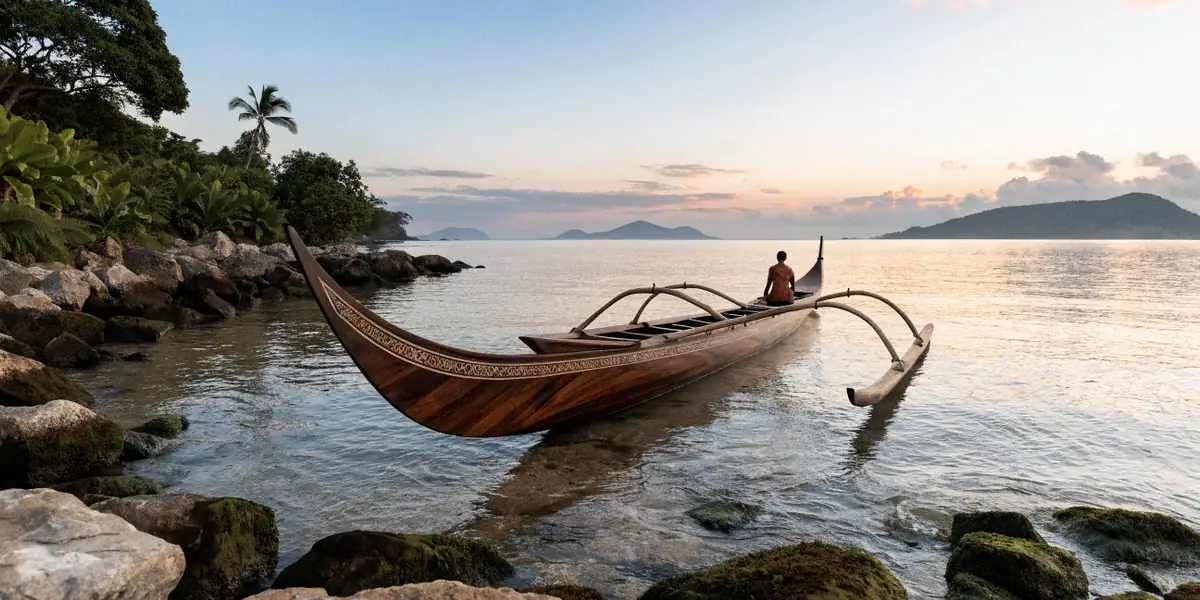
Traditional outrigger canoes are still used daily across Manus Province. Villagers paddle to garden plots on neighbouring islets, ferry produce to market in Lorengau, and fish the reef passes at dawn. The Manus-style outrigger is distinctive: a narrow, shallow hull lashed to a single float with timber spars, often rigged with a woven pandanus sail for longer crossings between the Admiralty Islands. During ceremonies — bride price exchanges, funerals, village welcomes — canoes carry not just people but prestige. The annual canoe races held in Lorengau each year draw crews from across the province, and watching a fleet of hand-built hulls sprint across the harbour is one of the great spectacles of island Papua New Guinea.
How Outrigger Canoes Are Built
Building a canoe is a community project. A master carver selects a suitable tree — often breadfruit or a hardwood from the interior — and the hull is shaped with adzes and axes before being hollowed and smoothed. The outrigger float is carved separately, then connected with strong timber booms and bound with vine or modern rope. Sails are stitched from pandanus mats, and many canoes now mix traditional materials with marine plywood and paint. A single vessel can take weeks or months to complete, and the launch is marked with feasting and singsing. If you are in a village and a canoe is under construction, ask permission before photographing — and expect plenty of curiosity about your own boat-building knowledge in return.
Canoe Symbols and Clan Identity
Canoes carry meaning beyond transport. Prow carvings, shell inlays and painted motifs often signal the owner’s clan, lineage and status. In Manus’s matrilineal society, land, reef rights and canoe designs are passed down through the mother’s line, so a particular sail pattern or figurehead may belong to one family group and not another. When you see a decorated canoe in Lorengau or a village harbour, you are looking at a kind of genealogy on water. Guides from community tourism projects can explain which symbols belong to which clan, and why some designs are reserved for ceremonial use only.
Island Culture: Customs, Festivals, and Daily Life
Manus society is matrilineal, meaning inheritance, clan membership and reef ownership pass through women. This shapes everything from who can fish a particular reef to how bride price is negotiated. Shell money — strings of polished shell discs — remains important for ceremonial payments, compensation and bride price, even though Papua New Guinea’s kina is used for everyday trade. The Manus Provincial Cultural Festival, held in Lorengau each August, brings together dance groups, canoe races, carvers and market stalls from across the province. It is the single best time for Australian visitors to see Manus culture in one place, though smaller village ceremonies happen throughout the year.
Village Hospitality and Custom
Hospitality in Manus is genuine but structured. If you are invited into a village, you may be offered fresh coconut, baked sago, fish or betel nut. Accept what is offered with your right hand, and ask before entering a haus tambaran (spirit house) or any sacred area. Dress modestly outside the water — shoulders and knees covered is a safe standard. Gifts of rice, tinned fish, school supplies or cash are welcome, but the better long-term approach is to pay for guided tours, homestays and boat transfers through community-run tourism operators so money flows directly to the villages you visit.
Music, Dance, and Storytelling
Singsing ceremonies combine drumming, chanting and dance, often telling stories of clan ancestors, fishing voyages or historical events. Kundu drums and bamboo flutes accompany dancers wearing shell ornaments, bird-of-paradise plumes and woven grass skirts. Storytelling is equally important — elders recount canoe voyages, reef legends and wartime history, including the dramatic events of World War II when Manus served as a major Allied base. If you are lucky enough to be present at a singsing, put your phone away at first, watch, and then ask your guide whether photography is appropriate.
Diving and the Underwater World of Manus
Manus waters are among the most underrated dive destinations in the Pacific. The province sits within the Coral Triangle, and reefs around the Admiralty Islands support hard and soft corals, reef sharks, turtles, manta rays and dense schools of fish. The real drawcard for many divers, though, is the WWII wreck diving. Manus was a major Allied naval base, and the harbour and surrounding waters hold aircraft, landing craft, barges and shipwrecks sitting in relatively shallow, warm water. Local dive operators based in Lorengau run day trips and multi-day liveaboard-style excursions to nearby islands.
Top Dive Sites: A Preview
- Lorengau Harbour wrecks: shallow, accessible WWII remains suitable for open-water divers.
- Admiralty Islands reef passes: strong currents, big fish action and vibrant coral gardens.
- Seadler Harbour area: historic anchorage with scattered wartime debris and marine life.
- Outer atoll reefs: pristine walls and drop-offs for experienced divers, reached by boat from Lorengau.
Sustainable Diving with Local Guides
We strongly recommend diving with locally owned operators who employ Manus guides and skippers. They know the tides, the reef names and the wartime history, and their fees stay in the province. Ask your operator about their anchoring practices, no-touch policies and any marine protected areas before you book. Bring your own reef-safe sunscreen, avoid single-use plastics, and never remove shells, coral or artefacts — the wrecks are both heritage sites and dive attractions.
Where to Stay: Island Accommodation for Australians
Accommodation on Manus ranges from basic guesthouses in Lorengau to small eco-lodges on outer islands. Australians need a visa on arrival for Papua New Guinea, which is issued at Port Moresby or Cairns for eligible travellers, so check current requirements before booking. Standards are simpler than in Australian resorts, so pack a sense of adventure along with a torch, insect repellent and any medications you need.
Lorengau Hotels and Guesthouses
In Lorengau you will find small hotels and guesthouses such as the Lorengau Guesthouse, which offer clean rooms, basic meals and reliable access to the market, harbour and dive operators. These are the most practical base for first-time visitors, especially if you are combining cultural activities with day dives. Power and internet can be intermittent, so treat connectivity as a bonus rather than a guarantee.
Eco-Lodges and Village Stays
For a deeper experience, consider eco-lodges and village stays on the smaller Admiralty Islands. Manus Eco Lodge and similar community-run properties offer traditional-style bungalows, meals cooked with local produce and guided canoe trips. Village stays put you right inside daily life — fishing, gardening, singsing practice — but expect shared facilities, bucket showers and a genuine digital detox. Book through community tourism contacts or your dive operator well ahead of the August festival, when rooms fill quickly.
Practical Travel Tips for Australian Visitors
Getting to Manus is easier than many travellers expect. Air Niugini flies from Cairns and Port Moresby to Lorengau, usually via Port Moresby, so most Australians connect through Cairns or PNG’s capital. The best time to visit is the drier season from May to October, when seas are calmer and reef visibility is at its best. Health precautions matter: speak to a travel doctor about malaria prophylaxis, ensure your routine vaccinations are current, and drink bottled or treated water. Australian dollars are widely accepted alongside the kina, particularly in Lorengau, though carrying small notes is wise for village purchases.
Getting There from Australia
Fly from Cairns or another Australian city to Port Moresby, then connect on Air Niugini to Lorengau. Some services also link Cairns directly with PNG ports, so check current schedules when planning. Allow a buffer day on each end — weather and schedule changes are part of travel in this region.
Safety and Cultural Etiquette
Manus is generally safe for visitors who travel with local guides and respect community rules. Avoid walking alone at night in unfamiliar areas, keep valuables secure, and follow your operator’s advice on which reefs and villages are open to visitors. Always ask before taking photos of people, ceremonies or sacred sites. Learning a few words of Tok Pisin — “bikpela tenkyu” for thank you — goes a long way.
FAQ
Do Australians need a visa to visit Manus Island?
Yes. Australian citizens can obtain a Papua New Guinea visa on arrival for tourism, but requirements change, so confirm with the PNG High Commission or your airline before departure. Ensure your passport has at least six months’ validity.
How do I get to Lorengau from Australia?
Air Niugini operates flights from Cairns and Port Moresby to Lorengau, usually via Port Moresby. Book early during the May–October peak season and the August cultural festival.
What is the best time of year to visit Manus Island?
The dry season from May to October offers calmer seas, better diving visibility and easier boat travel. August coincides with the Manus Provincial Cultural Festival in Lorengau.
Is Manus Island good for diving?
Absolutely. Manus offers world-class diving with WWII wrecks, coral reefs and abundant marine life, with local operators based in Lorengau running trips to the Admiralty Islands.
Can I use Australian dollars on Manus Island?
Australian dollars are widely accepted in Lorengau and by many tourism operators, though the kina is the official currency. Carry small notes for markets, villages and tips.
Manus Island rewards travellers who come with curiosity and respect. By choosing community-run tours, village stays and locally guided dives — and by honouring the customs that shape daily life here — we help ensure that the outrigger canoes, singsing ceremonies and coral reefs of Papua New Guinea’s Admiralty Islands endure for the generations who will paddle these waters long after we have gone home.