Responsible Travel in Small Island Communities: A Guide to Manus Island
When our team first stepped off the plane at Momote Airport and onto the warm tarmac of Manus Island, we felt something we hadn’t expected: humility. This wasn’t just another destination to tick off a list. Manus is a place where ancient traditions, fragile reefs and tight-knit village communities exist on their own terms, and visitors are guests in every sense of the word. Over several trips, we learned that travelling here is a privilege, not a right — and that the way we spend our money, move through villages and interact with the ocean matters more than any photograph we bring home. This guide shares what we’ve learned so Australian visitors can experience Manus Island, Papua New Guinea travel at its best, while leaving the island stronger than they found it.
Why Responsible Travel Matters in Manus Province
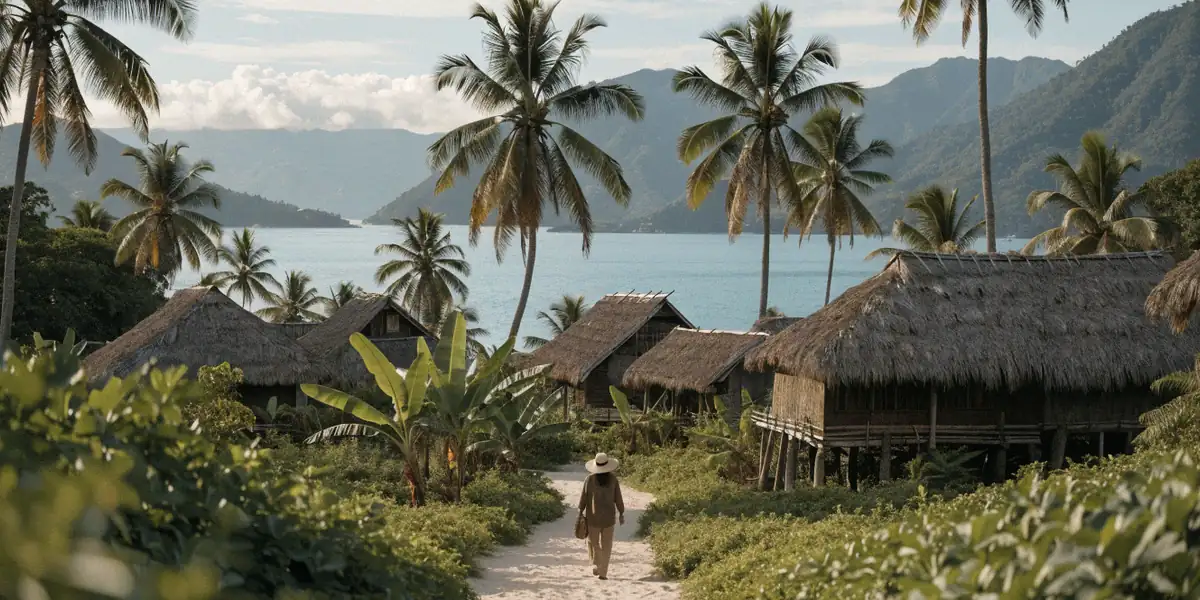
Manus Province is one of the most culturally rich and ecologically sensitive regions in Papua New Guinea. The Manus Provincial Government has long emphasised that tourism must develop on local terms, with benefits flowing to villages rather than outside operators. For Australians, this carries particular weight. Our countries share deep historical ties — from the Coastwatchers of World War II to decades of development partnerships — and that history creates a responsibility to travel with respect rather than entitlement.
The Cultural Significance of Manus Island
Manus society is built on clan kinship, customary land ownership and reciprocal obligations. Many villages still govern themselves through traditional leaders alongside formal local government structures. Ceremonies, fishing rights and reef ownership are not folklore — they are living systems that determine who can do what, and where. Understanding this before you arrive changes how you behave on the ground.
Environmental Fragility of the Admiralty Islands
The Admiralty Islands sit within the Coral Triangle, the most biodiverse marine region on Earth. Manus’s reefs, seagrass beds and mangroves support species found few other places. But small islands have small margins for error: coral bleaching, overfishing, plastic waste and climate change hit harder here than on a continent. Every anchor dropped carelessly or piece of rubbish left behind has a proportionally larger impact.
Supporting Local Communities in Lorengau and Beyond
The single most effective thing you can do as a visitor is keep your money circulating locally. That means choosing guesthouses owned by Manusian families, buying produce and crafts from local vendors, and hiring guides from the villages you visit rather than importing services from Port Moresby.
Choosing Locally Owned Accommodation
Options such as the Manus Guesthouse in Lorengau and smaller village homestays put money directly into local hands. These aren’t luxury resorts, and that’s part of the point — you’re supporting families, not shareholders. Ask your host who owns the property, where the food comes from and how staff are recruited.
Shopping and Eating at Lorengau Market
Lorengau Market is the beating heart of the provincial capital. Here you’ll find fresh fish, taro, sago, betel nut and handwoven baskets sold by women from surrounding villages. Bring small notes, ask before photographing vendors, and don’t haggle aggressively — prices are already fair.
Hiring Local Guides and Porters
Local guides know which reefs are healthy, which villages welcome visitors and which tabu (customary restrictions) apply. They also act as cultural translators. Pay agreed rates promptly, provide your own gear where possible, and treat guiding as the skilled profession it is.
Diving and Marine Conservation Ethics
Manus diving is world-class, with drop-offs, wrecks and coral gardens that see very few divers. That rarity is exactly why ethics matter. Dive operators like Manus Divers set a strong example by briefing guests on reef etiquette before every trip — follow their lead and go further.
Diving with Manus Divers: What to Expect
Manus Divers runs small-group trips from Lorengau and can arrange village-based diving. Expect detailed briefings, conservative dive profiles and genuine local knowledge. Book directly, confirm certification requirements in advance, and never pressure a guide to visit a site that’s off-limits.
Marine Protected Areas and No-Take Zones
Several reefs around Manus fall under customary marine protected areas and no-take zones established by clans and supported by conservation groups. These aren’t suggestions. If a village elder says a reef is closed, it’s closed — regardless of what any map or app says.
Reducing Your Underwater Impact
- Never touch, stand on or kick coral — even a single fin scrape can kill a decade-old colony.
- Don’t feed fish; it alters behaviour and diets, and can make species aggressive.
- Keep your buoyancy neutral and secure dangling gear that could drag across the reef.
- Take only photographs; leave shells, coral fragments and artefacts where they are.
- Use reef-safe sunscreen and avoid single-use plastics on the boat.
Cultural Etiquette and Community Engagement
Manusians are famously welcoming, but warmth is not an invitation to ignore protocol. The best visitors are curious, patient and humble — and they ask first.
Understanding Village Protocols
Before entering a village, seek permission from the appropriate leader, often through your guide. Dress modestly — shoulders and knees covered is a safe baseline. Remove hats and sunglasses when speaking with elders, and never walk through a village during a ceremony without being invited.
Photography and Privacy
Always ask before taking photos of people, homes or ceremonial objects. A simple “inap mi pikim?” (may I take a photo?) in Tok Pisin goes a long way. Respect a “no” without negotiation, and never photograph children without a parent’s consent.
Participating in Community Events
If you’re invited to a feast, church service or singsing, accept graciously and contribute something — food, a small donation or help with setup. Learning a few Tok Pisin phrases such as “tenkyu” (thank you) and “gutpela” (good) signals genuine respect.
Sustainable Island Accommodation and Logistics
Where you sleep and how you move shapes your footprint. On small islands, waste management is a genuine challenge — there is no large-scale recycling system, so whatever you bring in may stay for generations.
Eco-Friendly Lodges and Guesthouses
Places like N’Drua Lodge offer a lower-impact alternative to large-scale development, often using local materials and solar power. Ask accommodation providers how they handle waste, water and food sourcing before booking.
Waste Reduction and Recycling
Bring a reusable water bottle with a filter, refuse single-use plastics, and carry out everything you carry in. If you see litter on a beach, picking up even a handful makes a measurable difference.
Transportation and Carbon Offsetting
Flights to Momote via Port Moresby are unavoidable for most visitors, so offset where you can and combine travel with longer stays rather than quick trips. On the island, use shared boats and vehicles, and walk where it’s safe and appropriate.
Leaving a Positive Impact: Our Team’s Recommendations
Responsible travel doesn’t end when you leave. Giving back — through donations, volunteering or simply maintaining relationships — is how visitors become allies rather than passers-through.
Supporting Local Education and Health Initiatives
The Manus Island Community Trust channels support into education, health and community projects. If you want your contribution to reach the right people, ask your guide or guesthouse host which schools, clinics or cooperatives need help right now.
Volunteering Opportunities for Australians
Australians with skills in teaching, marine science, healthcare or small business can explore structured volunteer placements through PNG-based organisations. Commit properly or not at all — short, unplanned volunteering often creates more work than it solves.
Final Thoughts on Responsible Travel
Manus Island is not a resort. It’s a living community with its own rules, rhythms and future. Travel slowly, ask more than you assume, spend locally and tread lightly on reef and land alike.
FAQ
Is Manus Island safe for Australian travellers?
Yes, with sensible precautions. Lorengau and most villages are welcoming, but travel with a local guide, avoid walking alone at night and follow advice from the Manus Provincial Government and your accommodation provider.
How do I get to Manus Island from Australia?
Most visitors fly from Australia to Port Moresby, then connect to Momote Airport near Lorengau. Book domestic connections well in advance, as schedules are limited and weather can affect flights.
What is the best time of year to dive in Manus?
The drier months generally offer the calmest seas and best visibility. However, local conditions vary, so check with operators like Manus Divers before planning your trip.
Do I need to speak Tok Pisin?
Not fluently, but learning basic phrases shows respect and opens doors. English is widely understood in Lorengau, though less so in remote villages.
How can I contribute to conservation in Manus?
Dive responsibly, support marine protected areas, avoid single-use plastics and donate to trusted local organisations such as the Manus Island Community Trust.
Responsible travel in Manus Island is ultimately about relationships — with the people who call it home, with the reefs that sustain them, and with the generations who will follow. Travel with respect, and you’ll leave Manus richer, and leave it better than you found it.