Diving and Snorkelling Around Manus: Our Underwater Guide
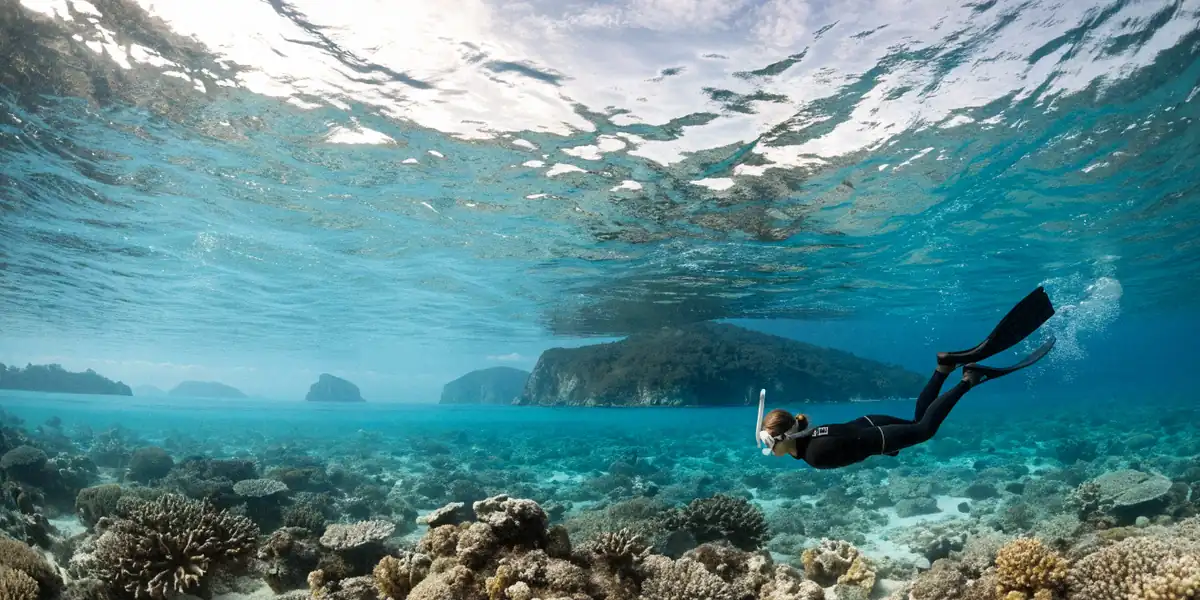
Imagine dropping into warm, gin-clear water where the reef hasn’t been touched by mass tourism, where manta rays glide past without another dive boat in sight, and where a WWII wreck sits almost exactly as it sank more than 75 years ago. That’s Manus Island. Tucked away in Papua New Guinea’s Bismarck Sea, it’s one of the last genuine underwater frontiers in our region — and it’s just a short flight from Australia. We’ve put together this guide from first-hand experience to help you plan a dive or snorkelling trip to Manus, covering the best sites, the operators worth knowing, and the practical details Aussies need to sort before they go.
Why Manus Island Should Be on Every Aussie Diver’s Radar
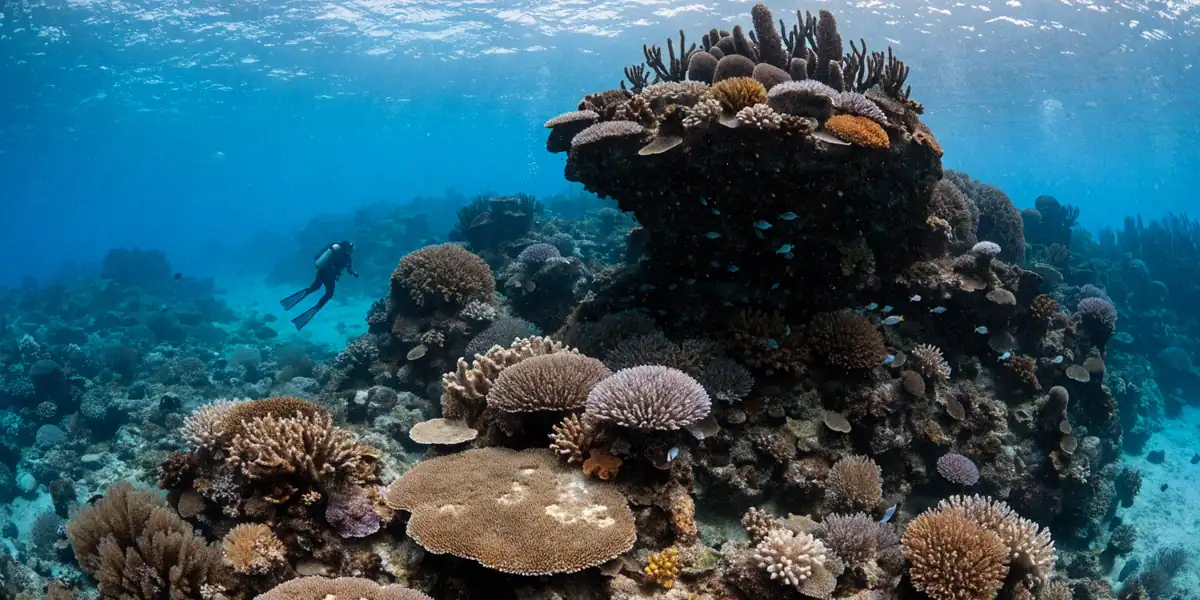
Manus sits in the Bismarck Sea, north of the PNG mainland and roughly 800 kilometres from Port Moresby. Its reefs see a fraction of the diver traffic that Kimbe Bay and Milne Bay receive, which means healthier coral, more marine life, and dive sites you’ll often have entirely to yourself. For Australian divers used to the crowds at the Great Barrier Reef or the Solomons, that solitude is the real drawcard.
How to Get There from Australia
The usual route is a flight from an Australian east coast city to Port Moresby with Air Niugini or Qantas, then a connecting domestic flight to Lorengau, the provincial capital of Manus. PNG Air operates direct flights from Port Moresby to Lorengau, and the hop takes around two hours. From Lorengau, most resorts and liveaboards arrange boat transfers or pickups. Factor in a night in Port Moresby on the way through if your connections are tight.
Best Time to Dive and Snorkel
The dry season, roughly May to October, delivers the most reliable conditions: calmer seas, better visibility (often 20–40 metres), and less rain runoff. Water temperatures sit between 27°C and 30°C year-round, so a 3mm shortie or a rashie and boardshorts will do for most divers. The wet season from November to April can bring choppier conditions and reduced visibility, though dive operators still run trips when the weather allows.
What Makes Manus Reefs Special
Manus sits within the Coral Triangle, the global epicentre of marine biodiversity. That means exceptional coral cover, huge fish counts, and species you won’t see in Australian waters. Because commercial fishing pressure and diver numbers are both low, the reefs around islands like Ndrova and Baluan remain in remarkably good shape. Add WWII history — Manus was a major Allied base — and you get a destination that combines pristine nature with genuinely fascinating wreck diving.
Top Dive Sites Around Manus
We’ve dived across PNG and keep coming back to Manus for the variety. You can do a manta cleaning station in the morning and a deep WWII wreck in the afternoon, all within a short boat ride of Lorengau.
Ndrova Island and Manta Rays
Ndrova Island is the headline act. Its nearby cleaning stations attract reef manta rays, sometimes several at once, hovering while small wrasse pick parasites off their gills. The best encounters happen on incoming tides. Reef sharks, grey reef sharks in particular, patrol the drop-offs, and the hard coral gardens in the shallows are among the healthiest we’ve seen anywhere in the Pacific.
Baluan Island’s Volcanic Reefs
Baluan is a volcanic island south of the main Manus landmass, and its black-sand slopes and lava bommies create dramatic topography. Expect macro life — nudibranchs, ghost pipefish, and cleaning shrimp — plus schools of barracuda and trevally in the blue. The volcanic substrate gives the reefs a moody, almost otherworldly feel that’s completely different from the coral gardens closer to Lorengau.
WWII Wrecks in Seeadler Harbour
Seeadler Harbour was one of the largest Allied naval bases in the Pacific during WWII, and its floor is littered with wreckage. The most famous is the USS Mount Hood, a US Navy ammunition ship that exploded in 1944. The wreck is scattered across a wide debris field rather than sitting intact, and it’s a sobering, historically significant dive. Other wrecks and aircraft in the harbour are shallower and accessible to newer divers. Visibility in the harbour is typically lower than on the outer reefs, so we’d recommend this one for divers with some experience.
Snorkelling Spots for Every Level
You don’t need a certification card to enjoy Manus. The shallows around Lorengau and the nearby islands offer some of the most accessible reef snorkelling in PNG.
Lorengau and Los Negros
Los Negros Island, connected to Lorengau by a causeway, has fringing reefs just metres from shore. Grab a mask and fins and you’re straight into coral gardens with parrotfish, clownfish, and the occasional turtle. It’s ideal for a lazy afternoon between dives or for non-diving partners.
Ponam Island and Shallow Reefs
Ponam Island, north of the main island, is known for its shallow reef flats and giant clams — some well over a metre across. The water is calm and clear, and the coral is close enough to the surface that even nervous swimmers can float over it comfortably. Local guides can take you out by boat from Lorengau.
Snorkelling with Kids
Manus is genuinely family-friendly for snorkelling. The sheltered lagoons around Los Negros and Ponam have minimal current, warm water, and plenty of colourful fish to keep kids entertained. Bring properly fitting masks for little faces, rash guards for sun protection, and reef-safe sunscreen. We’d suggest starting in waist-deep water and letting them build confidence before heading out over the reef edge.
Island Accommodation and Dive Operators
Accommodation on Manus is limited but improving, and a few operators have built their reputations specifically around diving.
Resorts and Guesthouses
- Ndrova Island Resort — the standout dive-focused property, located right next to the manta cleaning stations. Offers guided dives, gear rental, and comfortable bungalow accommodation.
- Lorengau Hotel — the main option in town, convenient for arrivals and departures and a base for day trips to Los Negros.
- Local guesthouses — basic but affordable options on Los Negros and surrounding islands, often run by families. Best booked through local contacts or your dive operator.
Liveaboard Diving
For serious divers wanting to reach remote sites like Baluan and the outer reefs, a liveaboard is the most efficient option. The MV Chertan is a well-established PNG liveaboard that runs itineraries through Manus and the Bismarck Sea, offering unlimited diving, onboard accommodation, and experienced local guides. Trips typically run 7–10 nights and book out months in advance.
Booking Tips for Australians
Book directly with operators where possible — it’s cheaper and the money stays local. Confirm whether your package includes tanks, weights, and guide fees, and ask about marine park fees upfront. If you’re travelling in the dry season peak (June–September), lock in accommodation and liveaboard spots at least three to six months ahead.
Practical Tips for Diving and Snorkelling in Manus
A bit of preparation makes a big difference on Manus, where infrastructure is limited and you can’t just duck into a dive shop if something’s missing.
Safety and Conservation
Dive within your training, use a surface marker buoy on drift dives, and don’t touch the coral or chase the mantas. Marine park fees apply at some sites and go towards local reef management — pay them. Never stand on coral, and pack out everything you bring in.
What to Pack
- Your own mask, fins, and wetsuit if you have them — rental gear is limited
- Reef-safe sunscreen and a rash guard
- Dive computer, SMB, and torch for wreck dives
- Rehydration salts and basic first-aid supplies
- Cash in PNG kina — ATMs in Lorengau are unreliable
Costs and Logistics
Australian citizens can get a visa on arrival in Papua New Guinea for tourism, which simplifies planning considerably. Travel insurance with specific dive coverage is essential — standard policies often exclude diving below 18 metres or any dive without a professional guide. Budget for domestic flights, boat transfers, and marine park fees on top of your accommodation. Mobile coverage is patchy outside Lorengau, so download offline maps and let someone know your itinerary.
FAQ
Do Australians need a visa to visit Manus Island?
Yes, but Australian citizens can obtain a visa on arrival for tourism purposes at Port Moresby. Confirm current requirements with the PNG High Commission before you travel, as rules can change.
What’s the best way to get to Manus from Australia?
Fly from an Australian east coast city to Port Moresby, then take a direct domestic flight from Port Moresby to Lorengau with PNG Air. From Lorengau, your resort or liveaboard will arrange onward boat transfers.
Is Manus suitable for beginner divers and snorkellers?
Absolutely. The sheltered lagoons around Los Negros and Ponam Island offer calm, shallow water ideal for beginners and families, while experienced divers can tackle the deeper reefs and the USS Mount Hood wreck in Seeadler Harbour.
When is the best time to dive Manus Island?
The dry season from May to October offers the calmest seas and best visibility, often 20–40 metres. Water stays warm year-round, so a 3mm wetsuit is usually enough.
Can I rent dive gear on Manus?
Some operators, including Ndrova Island Resort, offer gear rental, but availability is limited. We strongly recommend bringing your own mask, fins, and wetsuit, plus any specialist equipment you rely on.
Manus delivers the kind of raw, uncrowded diving that’s becoming almost impossible to find elsewhere in the Pacific. Between the manta rays at Ndrova, the volcanic reefs of Baluan, the WWII history in Seeadler Harbour, and the easy snorkelling off Los Negros, there’s something here for every level of underwater enthusiast. Book with local operators and guesthouses where you can — it keeps the money in the community and helps protect the reefs that make Manus so special. We reckon it won’t stay a secret for long.