
Best Time to Visit Papua New Guinea’s Islands: A Manus Island Guide
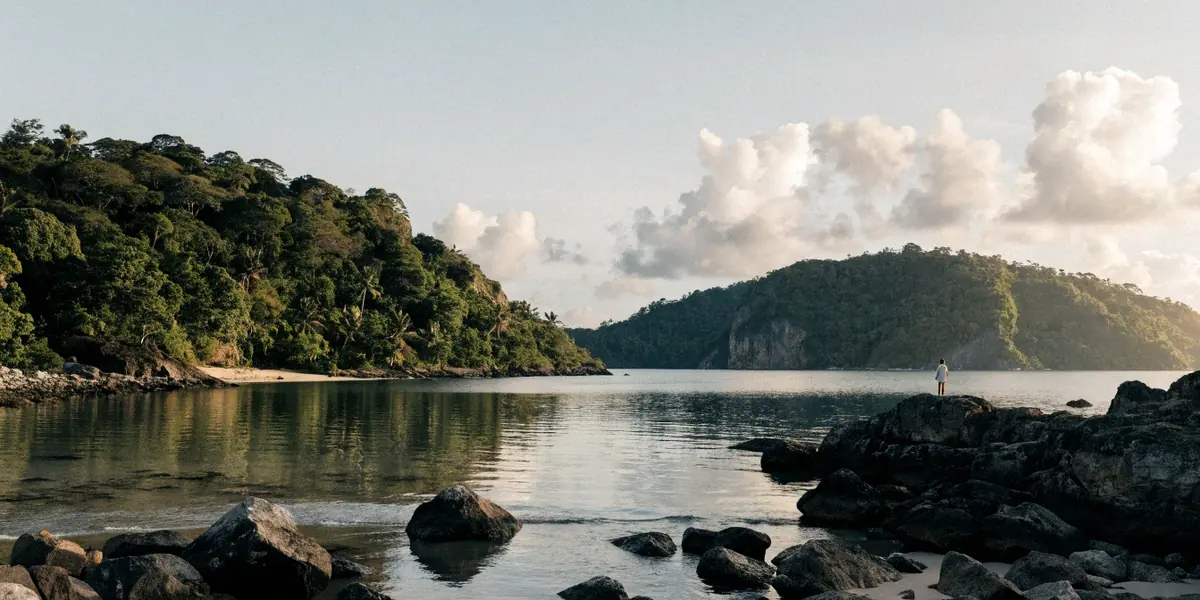
We know the feeling. It’s July, you’re in Melbourne or Sydney, the mercury has dropped to single digits, and you’re scrolling through photos of warm, turquoise water while wearing two jumpers. That’s exactly how our team first got curious about Manus Island — a speck of the Admiralty Islands in Papua New Guinea’s Bismarck Archipelago, sitting just a few degrees south of the equator. And here’s the good news: when Australia shivers, Manus is in the middle of its dry season, with calm seas, low humidity and some of the clearest dive water in the South Pacific. This guide breaks down the seasons, the diving windows, the cultural calendar and the practical logistics so you can pick the right time to go.
Understanding Manus Island’s Climate and Seasons
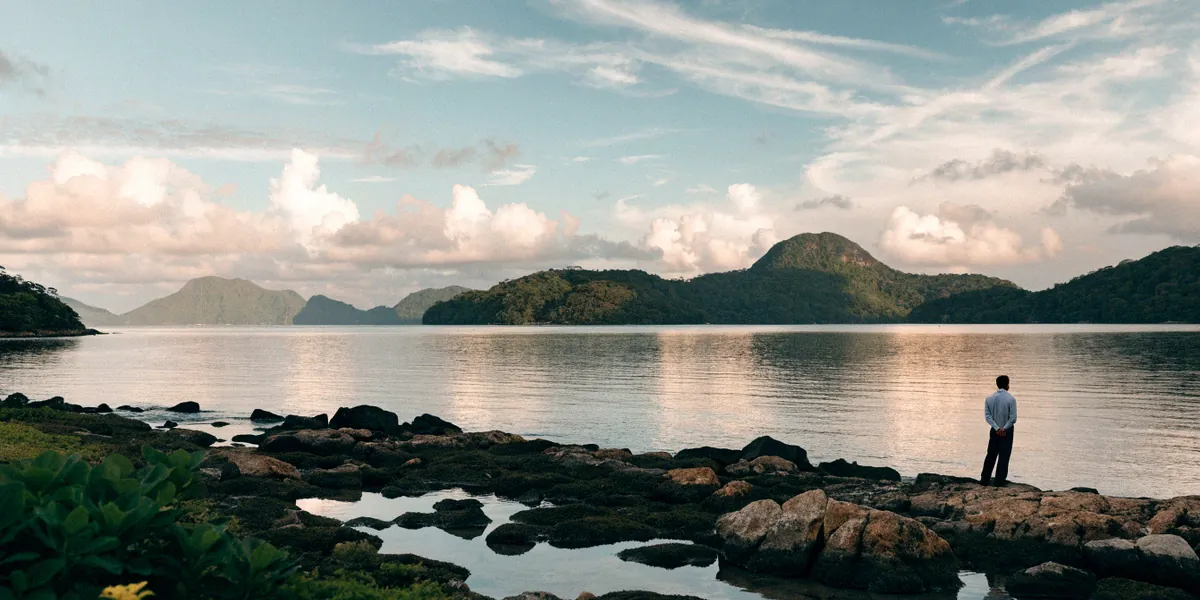
Manus Island sits close to the equator, which means it doesn’t really have summer and winter — it has wet and dry. Temperatures hover between 27°C and 30°C year-round, and humidity is a constant companion. What changes is rainfall, wind and sea conditions. Broadly speaking, the wet season runs from December to March and the dry season from May to October, with transitional months on either side. The dry season from May to October offers lower humidity and more stable weather for outdoor activities, which is why most Australian visitors aim for that window.
Wet Season: What to Expect from December to March
The north-west monsoon arrives over the Admiralty Islands around December and lingers into March. Expect heavy afternoon downpours, higher humidity, choppier seas and reduced underwater visibility. Flights to Lorengau can be disrupted, and some dive operators scale back their schedules. That said, the wet season isn’t a write-off — rain often comes in short, dramatic bursts rather than all-day drizzle, the landscape is lush, and accommodation prices are at their lowest. If you’re a budget traveller who doesn’t mind some weather, this is the quietest time to visit.
Dry Season: The Sweet Spot from May to October
From May onwards, the south-east trade winds take over and the pattern flips. Rainfall drops, humidity eases, and the sea settles into the kind of flat, glassy calm that makes inter-island travel and diving genuinely pleasant. This is the period we recommend for first-time visitors. Temperatures still sit around 27–30°C, so pack light clothing, reef-safe sunscreen and a decent hat. The trade-off is that July and August are also the busiest months, so book flights and accommodation early.
Diving and Snorkelling: When to Go for Clear Waters
Manus Island is part of the Admiralty Islands and is known for its pristine coral reefs and WWII wrecks — including aircraft and shipwrecks scattered across Seeadler Harbour, one of the largest natural harbours in the world. For divers, the question isn’t whether to go, but when. Visibility peaks in the dry season (June to September), with operators like Manus Dive Adventures offering trips to wrecks and reefs. If diving is your main reason for the trip, build your itinerary around those months.
Best Months for Underwater Visibility
June through September consistently delivers the best underwater clarity, often 20–40 metres on outer reef sites. The trade winds keep surface conditions calm and reduce runoff from the mainland, which means less sediment in the water. If you’re flexible, aim for late June or September — you’ll get dry-season conditions without the absolute peak of the July–August crowd.
Marine Life and Coral Spawning Events
Manus sits within the Coral Triangle’s outer reaches, so marine biodiversity is exceptional. Expect reef sharks, turtles, manta rays, Napoleon wrasse and dense hard coral gardens. Coral spawning typically occurs around the full moons of late spring and early summer, drawing plankton feeders and larger pelagics into the area. Ask your dive operator about spawning dates if you’re keen to witness it — it’s one of those events that rarely makes the brochures but absolutely should.
Cultural Events and Festivals in Lorengau and Beyond
Manus Province has a distinct culture within Papua New Guinea, shaped by its island geography and the seafaring traditions of its people. Lorengau, the provincial capital, is the main hub, but the real cultural highlights happen in villages and at festivals. If you want more than reefs and wrecks, timing your trip around a cultural event is worth the effort.
Manus Cultural Festival: A Must-See in August
The Manus Cultural Festival takes place in August and attracts visitors from across Papua New Guinea. Expect traditional dance, canoe racing, singsing performances, carved artefacts and a genuine provincial celebration rather than a staged tourist show. It’s one of the best reasons to visit in the dry season, and it pairs neatly with a diving itinerary. Book accommodation in Lorengau well in advance — the festival fills rooms fast.
Village Stays and Traditional Ceremonies
Beyond the festival, several communities offer village stays where you can learn about fishing techniques, canoe building and customary land and sea rights. If you’re invited to a ceremony, follow your host’s lead. A few practical tips:
- Dress modestly — shoulders and knees covered is a safe default.
- Ask before photographing people, villages or ceremonies.
- Bring a small gift (betel nut alternatives, school supplies or fresh food) when visiting a village.
- Remove shoes before entering homes or meeting houses if your host does.
- Never touch carved or ceremonial objects without permission.
Accommodation and Logistics for Australian Visitors
Manus isn’t a resort destination in the Bali or Fiji sense — it’s a frontier travel experience, and that’s precisely its appeal. Accommodation ranges from basic hotels in Lorengau to small eco-lodges and village guesthouses. Planning ahead matters, especially in the dry season.
Where to Stay: From Budget to Boutique
In Lorengau, the Manus Hotel is the most established option and a common base for divers and government visitors. Elsewhere, you’ll find small guesthouses and eco-lodges run by local families, often near dive sites or on outlying islands. Budget travellers can expect simple rooms with fans and cold showers; boutique options are limited but growing. We recommend confirming power, water and Wi-Fi reliability before booking, as infrastructure varies.
Getting There: Flights and Transfers from Australia
Air Niugini operates flights from Brisbane and Cairns to Port Moresby, with connections to Lorengau. From Australia, the routing is typically Brisbane or Cairns → Port Moresby → Lorengau (Momote Airport). Allow a buffer day in Port Moresby in case of schedule changes, which are common in PNG. Once you land at Momote, transfers to Lorengau town take around 30–45 minutes by road, and boat transfers to outer islands can be arranged through your accommodation or dive operator.
On documentation: Australian travellers need a visa for Papua New Guinea, obtainable online or on arrival for some nationalities. Check the latest requirements with the PNG High Commission or your airline before booking, and ensure your passport has at least six months’ validity.
Weather vs. Crowds: Finding Your Ideal Window
Now for the honest trade-off. The best weather and the biggest crowds tend to arrive together. Understanding that tension is the key to picking your dates.
Peak Season Pros and Cons
July and August deliver the most reliable weather, the Manus Cultural Festival, and the widest choice of dive departures. The downsides: higher prices, limited accommodation availability, and the fact that Australian school holidays can affect availability on flights through Port Moresby. If you’re travelling with family or on a fixed schedule, book three to six months ahead.
Shoulder Season: The Insider’s Choice
May, June, September and October are our team’s favourite months. You’ll still get dry-season conditions — lower humidity, calm seas, good visibility — but with fewer travellers and more flexibility on bookings. September in particular offers excellent diving and a quieter Lorengau. If you can travel outside school holidays, this is the sweet spot.
FAQ
What is the best month to visit Manus Island?
For most travellers, June through September offers the best combination of dry weather, calm seas and dive visibility. If you want the Manus Cultural Festival, aim for August — but book early.
Do Australians need a visa for Papua New Guinea?
Yes. Australian travellers need a visa for Papua New Guinea, obtainable online or on arrival for some nationalities. Confirm current rules with the PNG High Commission before you travel.
How do I get to Manus Island from Australia?
Air Niugini operates flights from Brisbane and Cairns to Port Moresby, with connections to Lorengau. From Momote Airport, it’s a 30–45 minute road transfer to Lorengau town.
Is Manus Island good for diving?
Absolutely. Manus Island is part of the Admiralty Islands and is known for its pristine coral reefs and WWII wrecks. Visibility peaks from June to September, and operators like Manus Dive Adventures run regular trips.
What should I pack for a Manus Island trip?
Light, quick-dry clothing, reef-safe sunscreen, insect repellent, a rash guard for snorkelling, modest attire for village visits, and a small gift if you plan to visit communities. Bring cash, as ATMs in Lorengau are limited.
So, which window suits you? If diving tops your list, aim for June to September. If culture is the draw, August’s Manus Cultural Festival is unmissable. And if you simply want warm water and empty reefs while Australia shivers, the shoulder months of May, June, September and October are hard to beat. Whichever you choose, the dry season from May to October will give you the most stable conditions — the rest is just deciding what matters most to you.